Plastic Magnolia, Gapado AiR

Gapado Artist in Residence One // Two
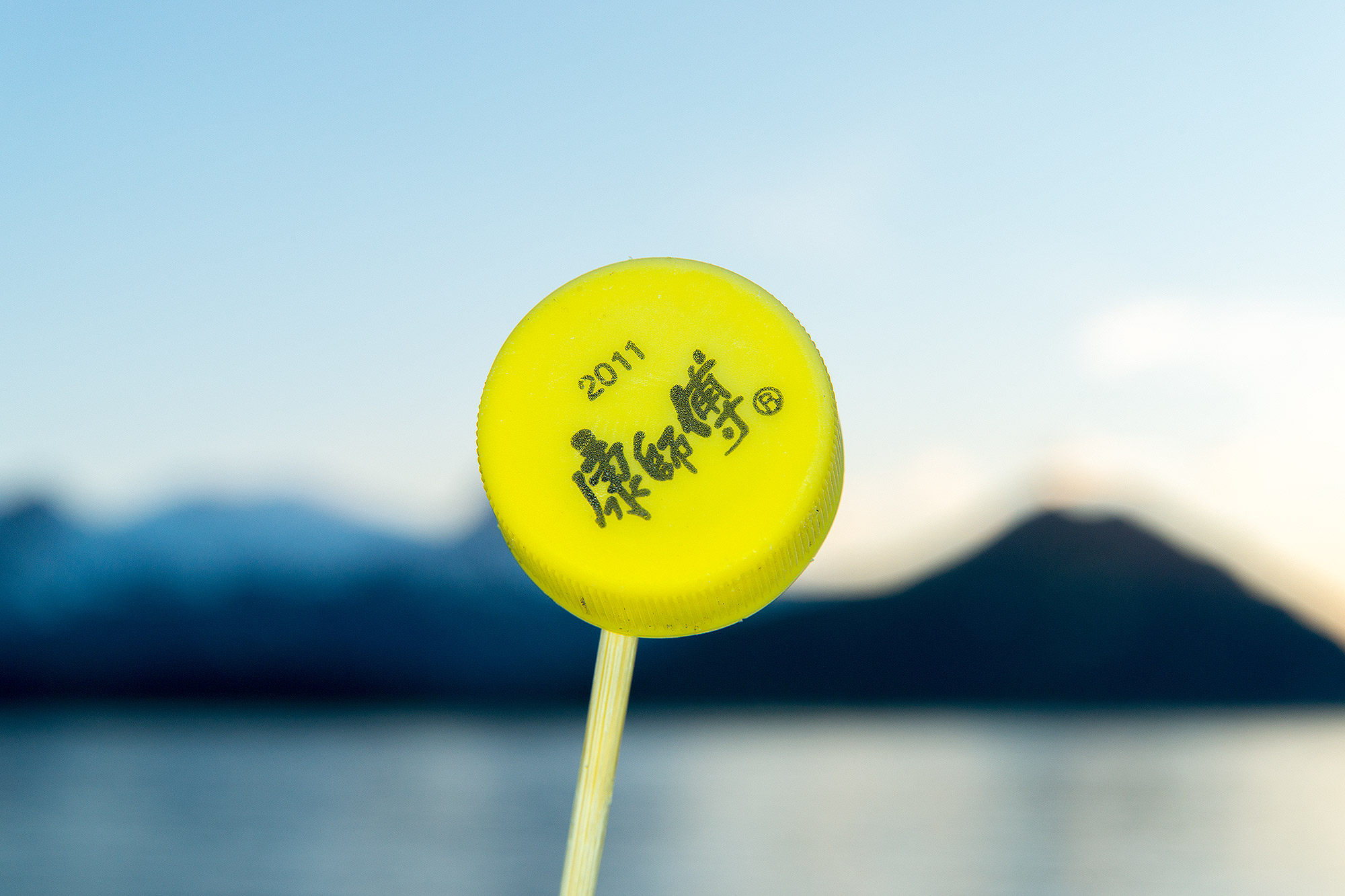
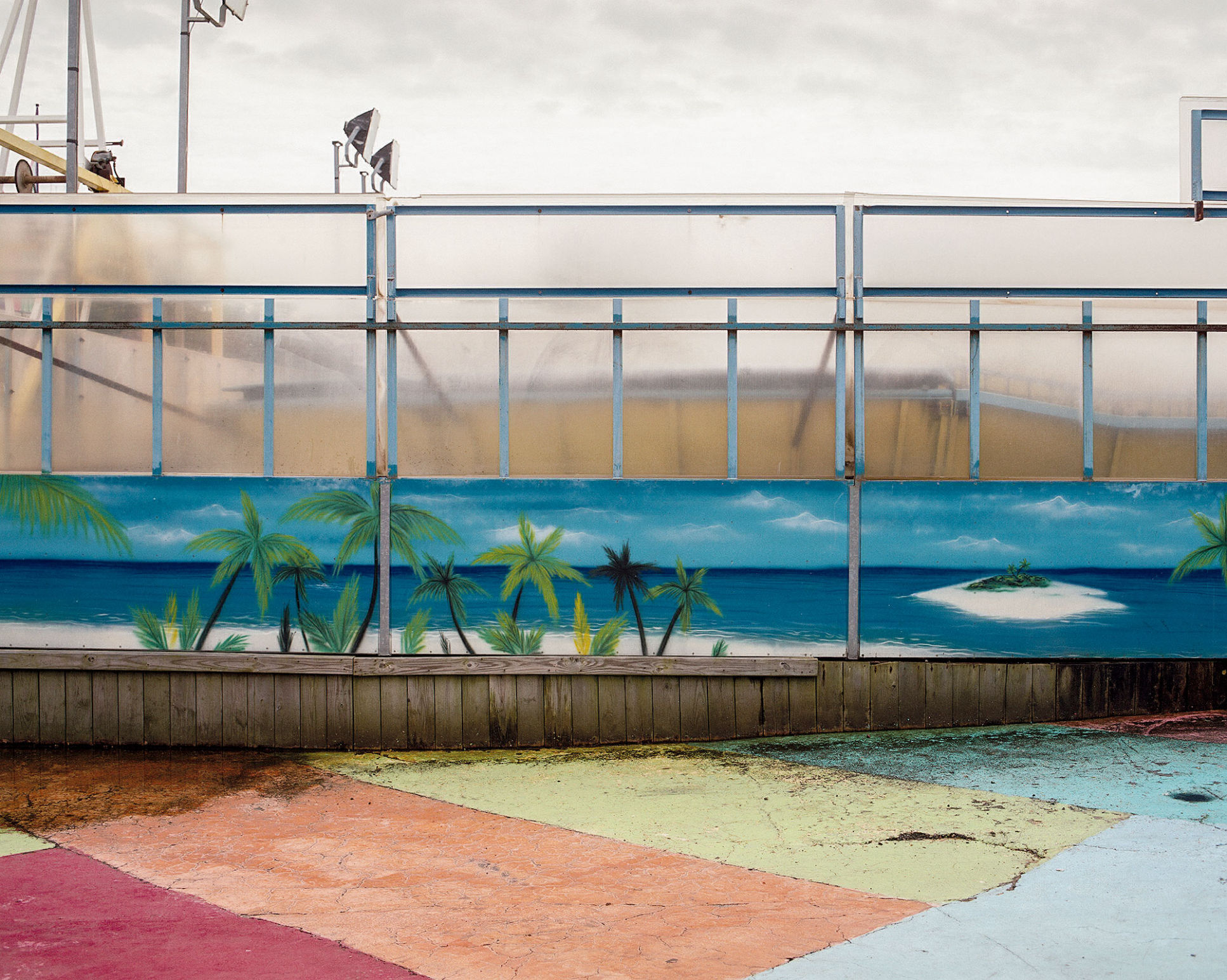
The works produced on Gapado Island interweave a surrealist aesthetic with a focus on ecological awareness. They utilize discarded materials to explore the unconscious mind and dream states. This limited collection presents a selection of work created during the artist's residency on Gapado, a small island in South Korea.

Gapado AiR, South Korea

Dominant Wave Theory

Dominant Wave Theory
Commencing in the late 1980s, Hughes began photographing plastic waste within the intertidal zone, specifically documenting debris along the coastlines where he surfed. Spanning nearly 35 years, his project critically engaged with this waste as both an aesthetic subject and a powerful signifier of the global ecological crisis. A key body of work from this period, created between 1995 and 2005, was formalized in his influential 2006 publication, Dominant Wave Theory. The project's scope expanded to include diverse locations beyond his home beaches, such as California, Scotland, Wales, and Cornwall.

"Whilst Hughes' images of plastic depicted in heroic scale may give us some concern about waste material and its impact upon a sensitive maritime environment, there is another side to these intelligent images. Hughes presents us with not only an ecological message but a knowing heady rush through artistic strategies using the power of photography's saturated colour to highlight, frame, and play with scale, in an irreverent awareness of art historical practices".

Susan Daniel-McElroy, © Tate Gallery 2007 |

Plastic Scoop, Film Machinima

Plastic Scoop Film Machinima 
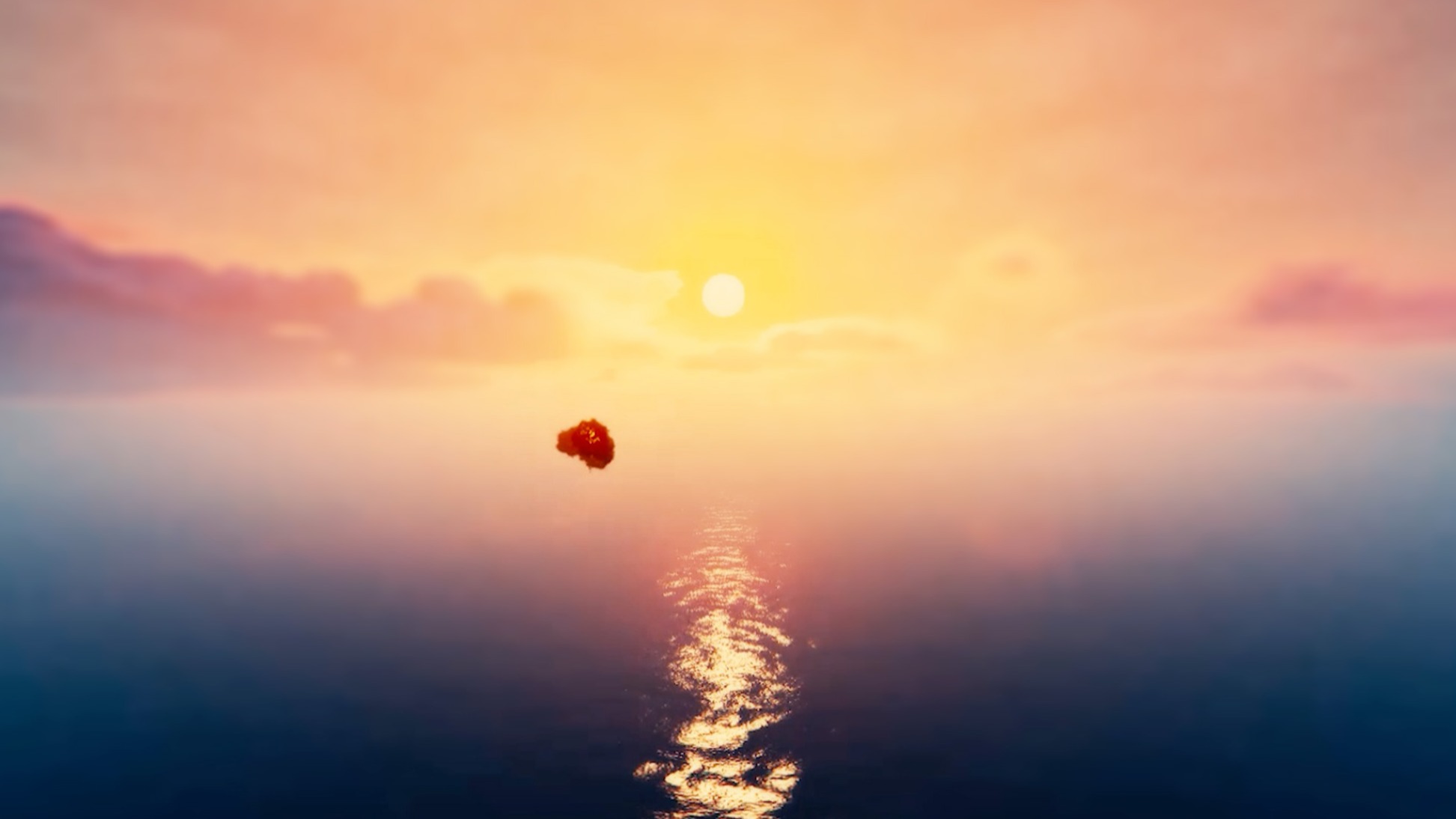
The film Plastic Scoop utilizes the virtual world of Grand Theft Auto V (GTA V), a globally popular video game, as a platform to address contemporary anxieties about ocean pollution. While the game is known for its controversial themes of gang violence and car theft, the film re-purposes this digital environment to foreground a critical ecological consciousness. Consistent with Hughes’s broader body of work, the film positions plastic pollution and its associated matter at its center, exploring the complex relationships between plastic, nature, the 'natural,' and the virtual. To achieve this, the film synthesizes diverse source material, including archival footage from early exploration and NASA, with Hughes's own recorded and directed in-game machinima.

"Very few directors have tackled the complex relationship between environmental issues and digital games. With Plastic Scoop, Andy Hughes makes that connection painfully manifest. By appropriating both the aesthetics of video games and the language of vintage promotional videos and other archival material, à la Adam Curtis, Hughes reminds us that have become aliens to our own planet”.

Matteo Bittanti
https://www.gamescenes.org

Andy Hughes Red Creeper Cornwall

Red Creeper
During the initial COVID-19 lockdown, Hughes developed a new photographic series drawing inspiration from H. G. Wells's The War of the Worlds. The project references Wells's depiction of an advanced but frail alien race attempting to survive on a dying planet. This invasion introduces a strange and invasive plant, the "red creeper" or "red weed," which expands uncontrollably when exposed to water, engulfing the countryside and impeding streams and rivers.

Andy Hughes Red Mine West Cornwall

Red Mine 
"Mining landscapes have always felt to me like torn skin. Words like ore body, lode, vein, and seam populate the mining lexicon." – Andy Hughes

This photographic series explores the metaphorical connection between the human and terrestrial body. Through a fusion of reality and fiction, the images foreground the extensive transformation of the Cornish landscape by mining activity. The resulting compositions feature a scarred landscape rendered in an eerie crimson and mine runoff in an iridescent cyan or blue.

Andy Hughes Red Creek

Red Creek 
The Red Creek project engages with a series of interconnected relationships, specifically those concerning ecology, temporality, industry, and imagination. The creek, a site that is daily submerged by the sea, supports a highly intricate and dynamic ecosystem. Through the application of simulated infrared photography, Hughes renders specific natural features—such as the various hues of green found in the foliage—into a psychedelic and unsettling crimson.

Andy Hughes Wrecked Matter Paul Nash

Wrecked Matter 
This body of work is grounded in the lineage of two key figures: the artist Paul Nash and the philosopher Jane Bennett. Nash was known for his ability to instill a sense of vitality in inanimate objects. Decades later, Bennett’s book Vibrant Matter advanced a similar argument, proposing that all matter, animate and inanimate, is interconnected and possesses a form of agency. Since 2018, Hughes has been exploring the same landscapes frequented by Nash. The works presented here are a selection of pieces created during these travels.

Plastiglomerate

Plastiglomerates 
The genesis of Andy Hughes’s photographic practice with plastic waste can be traced to a 1989 student surfing trip in Wales. There, he encountered a peculiar plastic compound, characterized by its waxy texture and resemblance to small pebbles. Following his return to London, Hughes produced a photographic series based on these materials, which was subsequently exhibited at the Royal College of Art. This section presents a curated selection from Hughes’s sustained exploration of this material, which he examines from a poetic and visual perspective.These works were exhibited at the Pingyao International Photography Exhibition in China, "Sand Sea and Soil," curated by Professor Liz Wells.


Plastiglomerate


Andy Hughes Circularity One

Circularity Art Works 
Works created for the project Gyre: The Plastic Ocean (2013)
The vast global systems of the ocean are responsible for the cyclic narrative of the Pacific Ocean Gyre.These works do not rely on metaphors that allude to destruction or a dystopian future stemming from overconsumption. Instead, they attempt to create new metaphors that take plastic objects and transform them into religious orbs that can exist in both the sky and on the ground, on beaches and in the sea.The floating objects evoke associations with UFO sightings, and their precise temporal origin—whether they are historical artifacts, contemporary detritus, or speculative relics of the future—is intentionally left unresolved. For the majority of viewers, however, these objects are immediately identifiable as quotidian artifacts: food and drink containers, fishing gear, toys, and other consumer plastics that saturate our modern world.

Andy Hughes Circularity Two


Andy Hughes Alaska

Plastika Alaska  
This series comprises selected images from a collaborative expedition to the Alaskan coast. The project brought together a collective of artists—including Andy Hughes, Pam Longobardi, Mark Dion, and Karen Larsen—and a group of scientists to research the patterns of plastic and marine debris accumulation in the region

Andy Hughes American Littoral

American Littoral 
The photographs in this series challenge conventional perceptions of the beach environment by exploring its "ordinariness." They reflect an understanding of the waterfront as a site of complex interrelationships, emphasizing the connections between location, detritus, and the seascape. This intellectual curiosity is a recurring theme throughout Hughes’s body of work on the coastline, which consistently examines issues of waste, litter, and plastic contamination.

Andy Hughes Glastonbury

Glastonbury Opus 
These photographs from the Glastonbury Opus series investigate the tension between aesthetic appeal and ecological decay. They contrast the seductive qualities of color and sculptural forms with a latent narrative that articulates the environmental degradation produced by a large-scale festival.

Andy Hughes Once

Once 
For over twenty-five years, Hughes has engaged with the theme of consumer waste by documenting the pervasive presence of single-use items. His work focuses on a range of convenience-driven products—including coffee cups, bottled water, and sandwich cartons—across a broad geographic scope. The selected images illustrate the ubiquity of these objects in environments ranging from remote human settlements to major urban centers.

Andy Hughes Surfer Archives

Archives 
This section examines the motivations and methodology behind Andy Hughes's practice, which originated during his fine art studies at Cardiff University in the late 1980s. A small group of fine art students, including Hughes, would regularly travel to coastal locations in Wales in search of surf. The images featured here, a selection of work created between 1989 and 1999, provide a historical context for his current artistic approach.

Surf Grom Andy Hughes

Surf Grom 
This photographic series provides a critical insight into the world of the "surf-grom," a term used to describe a young surfer under the age of 16. Hughes's portraits capture subjects often clad in neoprene, with their attire emblazoned with corporate logos and graphic symbols. This visual tension between vulnerability and confidence is central to the work, as each sitter confronts the viewer, framed by the ubiquitous signifiers of modern consumer culture.